A Historic Village with a Vision for the Future
Napier, a historic village in the Overberg region, blends heritage charm with a vision for sustainable growth, striving to preserve its natural beauty while fostering responsible development and economic vitality.

Napier, Western Capecal Roots
Nestled in the Overberg region of South Africa’s Western Cape, the village of Napier is steeped in a rich history dating back to the early 19th century. Established in 1838, Napier emerged from a land dispute between two neighboring communities. The conflict saw rival factions in Caledon vying for a church site, ultimately leading to the establishment of two towns: Napier and Bredasdorp. Named after Sir George Napier, the then-Governor of the Cape Colony, Napier has retained a unique charm characterized by its rustic architecture, rolling farmlands, and close-knit community spirit.

Historical Roots
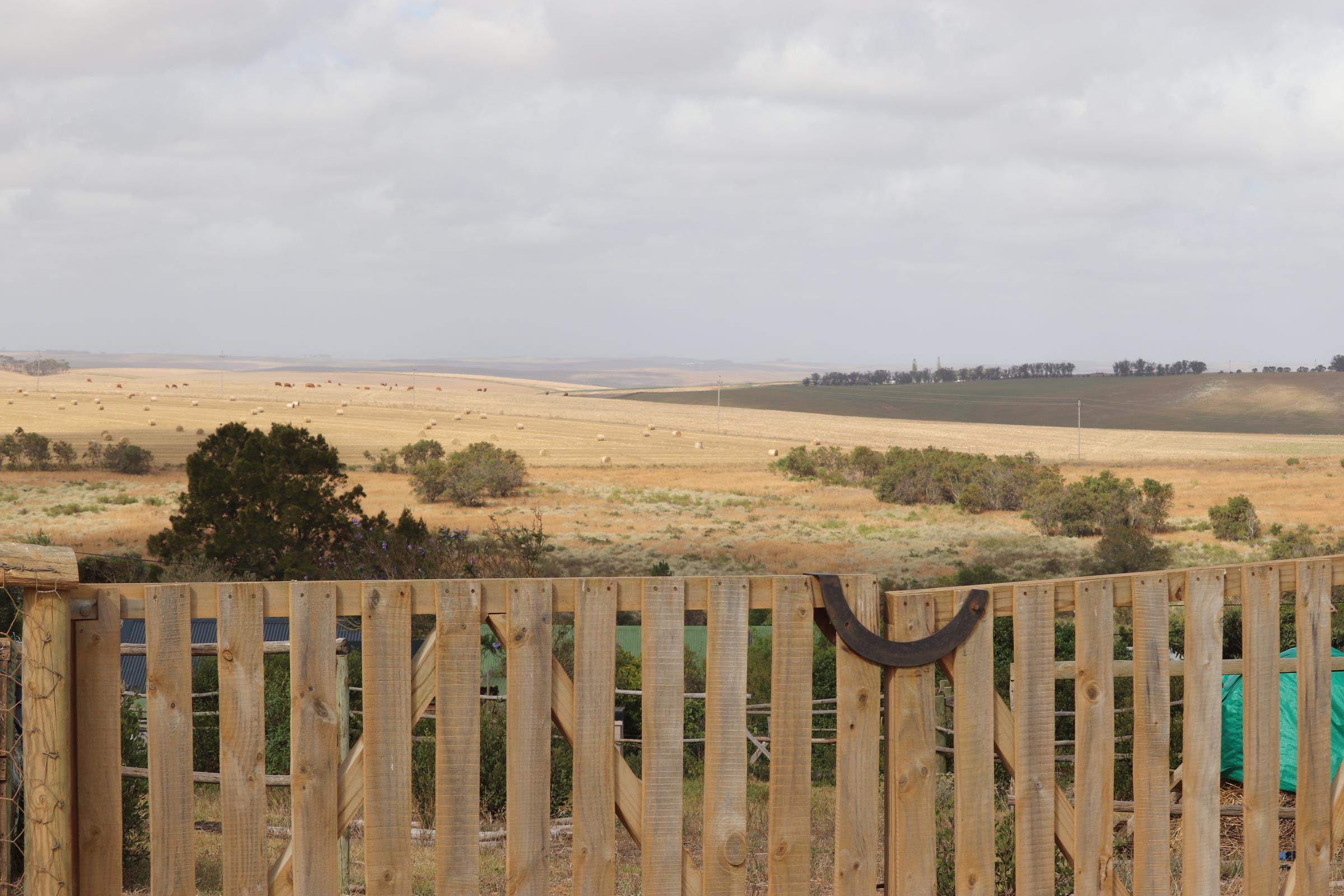
Napier’s early economy was primarily agricultural, focusing on wheat and sheep farming, which still form the backbone of the region’s economy today. By the late 1800s, the village was known for its water mills, strip or ribbon farms along the river and lay water which still exist. The Dutch Reformed Church, constructed in the early 1900s, is a focal point of the village, exemplifying traditional Cape architecture and a reminder of the town’s deep cultural roots.
The village has preserved many of its original buildings, some of which now house art galleries, cafes, and guesthouses that attract visitors seeking an authentic
Preservation and Development
In recent years, Napier has gained popularity as a destination for those seeking a peaceful rural lifestyle, as well as for tourists exploring the Overberg. This has brought new challenges, particularly around preserving the village’s heritage and natural beauty while catering to increasing development pressures. Community groups like the Napier Residents’ Association work to balance these concerns, advocating for responsible development that aligns with Napier’s historic character.
The Napier Residents Assocation has guided municipal with regards zoning laws and land use decisions, helping to maintain the village’s historic fabric. Programs promoting local arts, sustainable agriculture, and eco-tourism have emerged to create economic opportunities without compromising Napier’s rustic appeal.
Vision for the Future
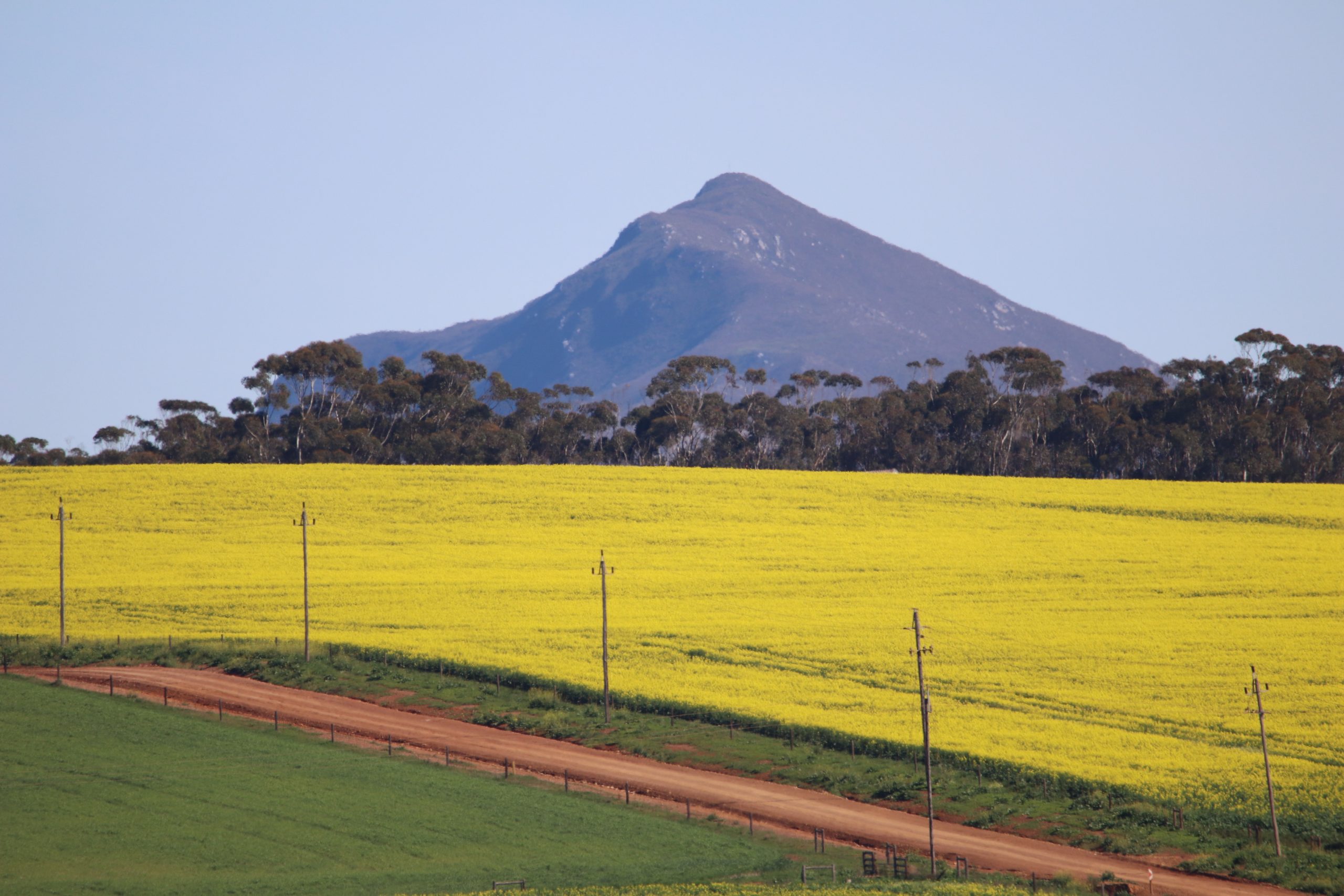
Looking forward, Napier aims to evolve as a model of sustainable rural living. Projects to restore local rivers, protect biodiversity, and improve infrastructure are underway, aligning with the community’s desire to safeguard Napier’s environment for future generations. Addressing housing needs and improving informal areas have also become high priorities, as the village strives to provide a better future for all residents.
As Napier moves into the future, its vision remains clear: to foster a village that honors its past while embracing sustainable growth. Through balanced development, environmental stewardship, and community-centered governance, Napier aims to maintain its historic character while encouraging responsible economic development. Tourism, bolstered by Napier’s unique rural landscape and natural beauty, is a key growth area, offering sustainable opportunities for local businesses and strengthening the community’s economic foundation.